


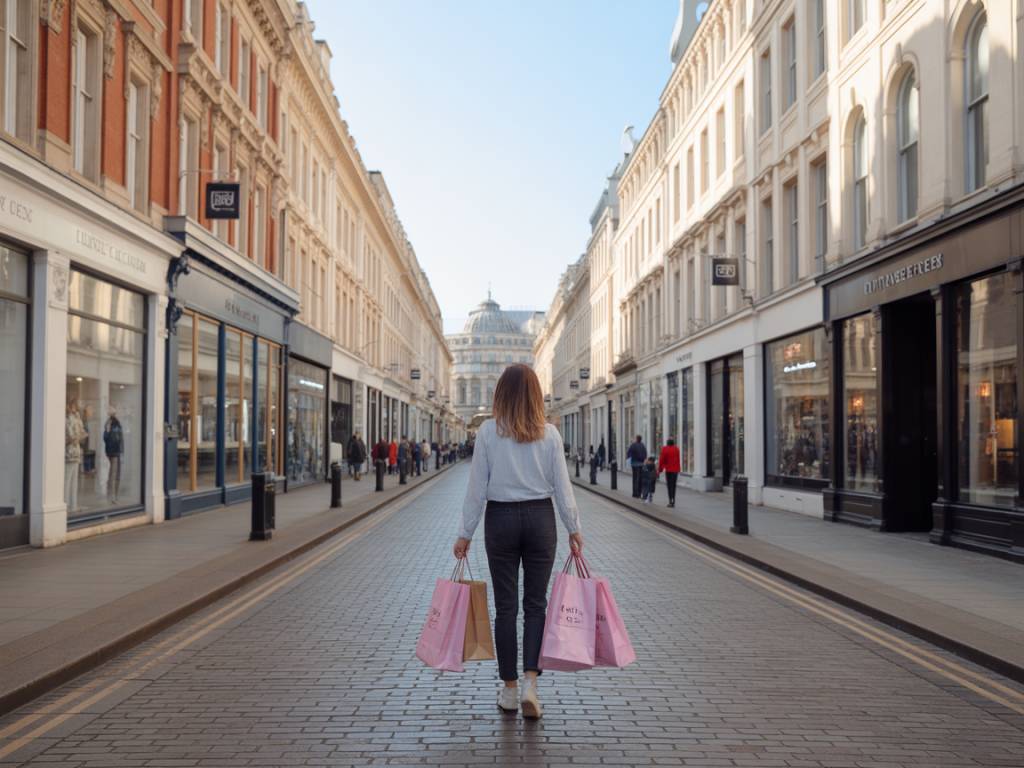
The Rise of Click-and-Collect in the UK
Over the past decade, click-and-collect has moved from being a niche convenience to a core part of the British retail experience. In towns and cities across the UK, shoppers now think nothing of placing an order on their phone at lunchtime and picking it up from their local high street after work. For many retailers, especially those with extensive store networks, click-and-collect has become a strategic tool to connect online convenience with physical presence, and to keep shoppers coming back to the high street.
This hybrid approach to shopping has accelerated in response to changing consumer behaviour, rising delivery charges, and the impact of the pandemic on footfall. Today, click-and-collect is reshaping what the high street looks like, how stores operate, and what British consumers expect from a “modern” shopping trip.
Why UK Consumers Are Embracing Click-and-Collect
From a consumer perspective, click-and-collect combines the best elements of e-commerce and traditional retail. Shoppers can browse and pay online, secure the item they want, and avoid delivery costs and missed parcels. At the same time, they retain control over when and where they collect their purchases.
Several factors explain why click-and-collect has become so popular across the UK:
- Cost savings: Many retailers offer click-and-collect as a free option, while home delivery may come with a fee or a minimum spend threshold.
- Speed and certainty: Same-day or next-day collection ensures items are reserved and ready, reducing the risk of products selling out in-store.
- Convenience for busy lifestyles: Shoppers can pick up orders on their commute, during lunch breaks, or while running other errands on the high street.
- Avoiding delivery hassles: No need to wait at home for couriers, deal with neighbours taking in parcels, or track down packages left in “safe places”.
- More control over returns: Many people prefer returning items to a store rather than repackaging and posting them back.
In a country with dense urban centres, extensive public transport, and a strong tradition of local shopping streets, click-and-collect fits naturally into everyday routines. It is particularly attractive in the UK’s busy city centres where home deliveries can be complicated by limited parking, security doors, and variable opening hours.
How Click-and-Collect Is Reshaping the High Street
As click-and-collect has grown, it has begun to change the role of the high street store. Instead of being purely a place for browsing and purchasing, the shop is increasingly a service hub: a place to collect online orders, return items, receive product advice, or make last-minute changes to an online basket.
Several key shifts are visible on high streets across the UK:
- Designated collection areas: Many stores now feature dedicated click-and-collect counters, lockers, or service desks near the entrance, designed to process online orders quickly.
- Inventory as a shared pool: Stock that once sat only on shelves for walk-in customers is now integrated into both online and offline channels, with store inventory feeding local click-and-collect orders.
- Blurring of sales channels: High street outlets are becoming mini distribution centres for e-commerce, handling everything from picking and packing to handling returns.
- Footfall with purpose: Shoppers who visit to collect an order often browse and make additional impulse purchases, generating extra revenue for retailers.
This transformation is particularly evident in sectors such as fashion, electronics, homeware, and grocery. Major UK supermarkets now offer click-and-collect grocery services from car parks and forecourts, while fashion retailers use their high street stores as convenient try-on points for online orders. For many people, the journey to collect a parcel has become the spark for a broader visit to the town centre.
Benefits for Retailers and Local Economies
For UK retailers, click-and-collect is more than just a delivery option; it is a strategic response to the pressures of e-commerce and rising operational costs. When implemented well, it can support profitability, customer loyalty, and the wider high street ecosystem.
Key benefits for retailers include:
- Reduced delivery costs: Consolidating orders for collection can be cheaper than delivering to thousands of individual addresses, particularly for bulky or low-margin items.
- Higher conversion rates: Consumers who know they can pick up an item locally are more likely to complete an online purchase rather than abandoning the basket.
- Increased in-store spend: Click-and-collect customers often buy additional items on impulse, from accessories to snacks, once they are in-store.
- Stronger customer relationships: Staff can use collection moments to offer advice, showcase new ranges, or sign customers up for loyalty schemes.
At a local level, click-and-collect can contribute to keeping high streets active. When people have a reason to visit their town centre, they are more likely to stop for a coffee, visit neighbouring shops, or run multiple errands in a single trip. This cross-pollination benefits independent retailers as much as national chains, reinforcing the resilience of the local retail ecosystem.
Operational Challenges Behind the Scenes
Despite its appeal, click-and-collect is not a simple plug-in solution for retailers. It requires significant investment in systems, staff training, and logistics. For many high street businesses, especially smaller ones, managing this additional layer of complexity is a challenge.
Some of the main operational issues include:
- Inventory accuracy: Click-and-collect depends on real-time stock visibility. If systems are inaccurate, customers may place orders for items that are not actually available in their local store.
- Staff workload: Store teams must juggle serving walk-in customers with picking and preparing online orders, which can add pressure during peak times.
- Space constraints: High street shops often have limited backroom space to store orders awaiting collection, particularly in dense urban locations.
- Technology integration: Legacy point-of-sale systems may not easily integrate with e-commerce platforms, making it difficult to offer seamless click-and-collect experiences.
Larger chains have responded by introducing handheld picking devices, automated notifications, and dedicated staff for online orders. Smaller businesses, however, often rely on more manual processes, with orders tracked via email or basic e-commerce dashboards. For them, the challenge is to offer the service without undermining the quality of the in-store experience.
Innovation: Lockers, Hubs and Third-Party Collection Points
The UK high street is also seeing a wave of innovation around how and where click-and-collect takes place. Retailers are experimenting with new formats to make collection faster, more flexible, and more accessible.
Notable developments include:
- Automated parcel lockers: Lockers placed inside or outside stores allow customers to collect orders using a code or smartphone app, often outside normal opening hours.
- Shared collection hubs: In some town centres, multiple brands are exploring the idea of shared pickup points to reduce costs and create convenient multi-brand collection destinations.
- Partnering with convenience stores: Large online retailers are using local newsagents and corner shops as collection points, driving additional footfall to smaller independent businesses.
- Curbside collection: Originating as a pandemic response, some retailers continue to offer timed curbside pickup slots, especially for bulky goods or groceries.
These innovations broaden the definition of the “high street”, extending it beyond traditional retail units to include forecourts, transport hubs, community centres, and small convenience outlets.
Environmental and Social Implications
Click-and-collect also has implications for sustainability and community life. By consolidating deliveries to stores rather than individual homes, there is potential to reduce van journeys, packaging waste, and the carbon footprint of e-commerce. A single lorry delivering to a local branch, combined with multiple walk-in collections, can be more efficient than dozens of separate residential drop-offs.
However, the environmental benefits depend on how consumers travel to collect their orders. If shoppers combine collections with other errands, or walk and use public transport, the impact can be positive. If click-and-collect encourages extra car journeys solely for collections, the advantages are less clear. Many town centres are therefore exploring parking policies, pedestrian zones, and transport links to make sustainable collection easier.
Socially, click-and-collect keeps human interaction at the heart of retail. Unlike home delivery, which can be largely anonymous, collection brings customers into direct contact with staff. For some, particularly older or isolated individuals, regular visits to the high street remain an important part of social life. The rise of click-and-collect does not erase this dimension; instead, it creates new touchpoints and reasons to visit local streets and shopping districts.
The Future of Click-and-Collect on the UK High Street
As British retail continues to evolve, click-and-collect is likely to remain a central feature of the high street landscape. The service is becoming more integrated, with retailers refining their digital platforms, using data to predict local demand, and tailoring stock for specific catchment areas. Smart use of analytics can help stores anticipate which items shoppers are most likely to order for collection, ensuring better availability and faster turnaround times.
There is also growing interest in more personalised experiences. Retailers are exploring:
- In-store appointments linked to collections: For high-value items, customers may be offered personalised consultations or fitting sessions at the moment they collect.
- Real-time communication: Messaging apps and push notifications can keep customers informed as their orders are prepared, dispatched to store, and ready for pickup.
- Integrated loyalty programmes: Spending across online orders and in-store top-up purchases can be tracked together, with tailored rewards based on click-and-collect behaviour.
For local authorities and high street planners, the growth of click-and-collect is also influencing urban design. Questions about loading bays, short-stay parking, walkability, public transport links, and co-located services are increasingly tied to the practicalities of modern retail logistics.
What is clear is that click-and-collect is no longer simply an “add-on” feature of online shopping in the UK. It is actively reshaping how people use the high street, how stores are organised, and how communities engage with their local retail centres. In an era when every town is striving to keep its high street relevant, this hybrid model of shopping may be one of the most important tools in the effort to ensure that physical retail continues to play a central role in British daily life.