


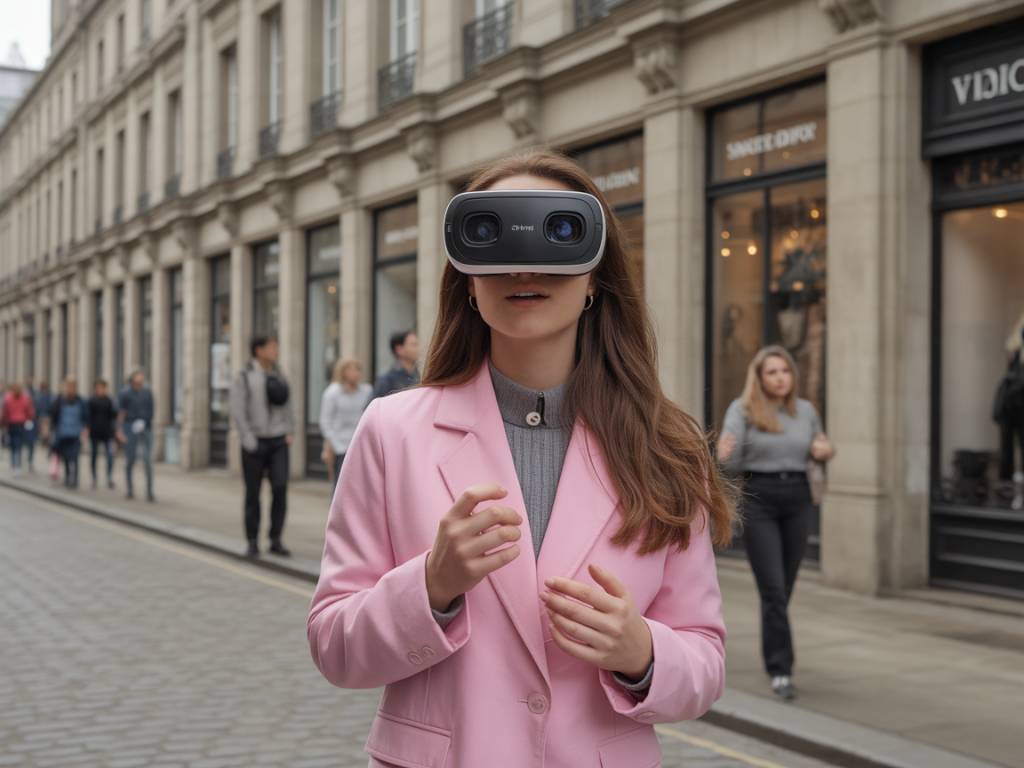
Augmented Reality Enters the British High Street and the Home
Augmented reality (AR) is no longer confined to gaming or social media filters. Across the UK, it is rapidly transforming the way Britons shop for homeware, furniture and fashion. From virtual sofa try-ons in suburban living rooms to digital fitting rooms on Oxford Street, AR shopping experiences are becoming a mainstream part of the retail landscape.
For British consumers, this technology is emerging at a time of shifting habits. Online shopping, rising delivery costs, and the time pressure of busy urban life are all pushing people to seek faster, more reliable ways to make purchase decisions. Augmented reality, which overlays digital images onto the real world via a smartphone, tablet or headset, promises to close the gap between online browsing and in-store experience.
This article explores how AR is changing the way Britons shop for home and fashion, looking at the technology’s practical uses, the benefits for both shoppers and retailers, and the potential challenges that lie ahead.
From Catalogue to Camera: AR in UK Home and Furniture Shopping
One of the earliest and strongest uses of augmented reality in British retail has been in home and furniture shopping. Traditional catalogues and small showroom displays often fall short when it comes to showing how a piece will fit into a specific room. AR changes this by allowing consumers to “place” virtual furniture or décor in their own homes using a smartphone camera.
Major furniture and homeware brands active in the UK market are investing heavily in AR shopping experiences. Many apps and mobile websites now allow users to:
- Visualise sofas, chairs and tables to scale in their living room
- Change colours, fabrics and finishes in real time
- Test different layouts without physically moving existing furniture
- Preview lighting, rugs and accessories in context
Instead of guessing whether a three-seater will overwhelm a small London flat, shoppers can see a life-sized digital version of it superimposed on their floor. For those living in compact or irregularly shaped homes, this level of precision reduces the anxiety around major purchases.
British DIY retailers and home improvement brands are also adopting AR tools. Some apps now enable users to test paint colours on their walls, visualise tiles or flooring, and even preview shelving or storage solutions. For time-poor homeowners, AR home shopping offers a way to experiment with multiple styles and configurations without the mess or commitment of test pots and paper swatches.
Virtual Fitting Rooms: AR and Fashion Shopping in the UK
The fashion sector, a core part of British retail culture, has been quick to explore AR as a way to blend online convenience with the experiential side of shopping. Instead of relying solely on size charts and product photos, many UK shoppers can now use augmented reality to try on:
- Sunglasses and prescription glasses using facial mapping
- Sneakers and shoes via smartphone foot-tracking tools
- Lipsticks, foundations and other cosmetics through AR beauty filters
- Jewellery such as earrings, necklaces and watches
High-street and online-only brands alike have started to integrate AR “try on” features into their apps and product pages. Using the front-facing camera, AR fashion tools map the shopper’s face, feet or upper body and overlay a virtual product in real time. While full outfit try-on for all clothing types is still technically challenging, accessories and beauty products lend themselves particularly well to this form of visualisation.
In flagship stores in London and other major UK cities, AR mirrors and smart fitting rooms are also emerging. These digital mirrors allow shoppers to see different colours, sizes or even entirely different garments without constantly changing clothes. For retailers, these installations create a hybrid experience that blends the convenience of browsing online with the tactile reassurance of being physically in store.
Why AR Shopping Appeals to British Consumers
The rapid uptake of augmented reality in British retail is driven by a mix of practical and cultural factors. Several key benefits stand out for UK consumers:
- Reduced returns and better fit: Being able to check whether a coat suits a person’s body type or whether a sideboard fits a small hallway can reduce costly and frustrating returns.
- Greater confidence for big-ticket purchases: Large items like sofas, beds and wardrobes are expensive and difficult to return. AR home shopping helps Britons commit with more certainty.
- Convenience for busy lifestyles: Long working hours and commuting make it harder for many people to spend weekends visiting multiple shops. AR tools bring the showroom to the living room.
- Support for smaller homes and rented spaces: With a significant share of UK residents living in rentals or compact flats, visualising scale and layout is extremely valuable.
- Accessibility and inclusivity: For people with mobility issues, living in rural areas, or caring for children, AR-powered online shopping can make fashion and furniture more accessible.
There is also a cultural element. British shoppers, particularly younger generations, are highly digital-savvy. The use of smartphones and social media filters has made the idea of overlaying digital content on the physical world feel natural, smoothing the adoption of augmented reality in a retail context.
How AR Is Changing Retail Strategy in the UK
Augmented reality does not just change the way Britons shop; it is also reshaping how retailers design their strategies, both online and offline. For home and fashion brands, AR has become a powerful tool for boosting engagement and bridging the gap between digital browsing and physical products.
Retailers are using AR to:
- Extend the reach of limited store space by showing entire catalogues virtually
- Gather data on which products customers virtually try on most often
- Test new designs and colours digitally before committing to full production
- Create immersive campaigns that can be shared on social media
In-store, AR features are often used to entice footfall and enhance experience. Pop-up displays, interactive windows and AR-linked QR codes give shoppers reasons to linger and engage. Online, AR tools are integrated into product pages as conversion drivers, encouraging hesitant customers to move from browsing to purchasing.
For British retailers navigating an increasingly competitive market, these technologies offer a way to differentiate themselves and add value beyond simple price comparisons.
Technological Foundations: What Makes AR Shopping Possible
Behind the polished user experience, augmented reality shopping relies on a set of complex technologies that have matured rapidly in recent years. For UK consumers, these capabilities are increasingly available on everyday devices such as smartphones and tablets.
Core components include:
- Computer vision: This enables devices to recognise surfaces, track movement and map spaces, allowing virtual objects to “stick” realistically to floors, walls and faces.
- 3D modelling: Retailers need accurate, high-quality 3D representations of products in multiple colours and sizes.
- Real-time rendering: Modern graphics processors and efficient software are required to display and update objects smoothly as users move their device.
- Measurement and scaling tools: Many AR apps now calculate approximate dimensions of rooms, furniture and body parts to improve realism and fit.
As 5G networks roll out across more parts of the UK and smartphone cameras continue to improve, AR shopping is expected to become even more seamless and lifelike.
Challenges, Privacy Concerns and Barriers to Adoption
Despite the enthusiasm around augmented reality in British retail, there are still significant hurdles. Not all consumers feel comfortable with the idea of using their camera to scan their face, home or body. Privacy and data security are recurring concerns, particularly in a context where facial images or images of private spaces may be processed by third-party systems.
Some of the main challenges include:
- Data protection: Retailers must comply with UK data protection laws and be transparent about how images and scans are used or stored.
- Device compatibility: Not every smartphone or tablet can run advanced AR features smoothly, which can create a two-tier shopping experience.
- Accuracy and reliability: Poorly calibrated AR tools can misrepresent colours, sizes or fits, leading to disappointment and mistrust.
- Digital fatigue: Some consumers still prefer traditional browsing and fitting, particularly for high-end fashion purchases.
British retailers experimenting with AR must balance innovation with clear communication, opt-in controls, and robust customer support. The technology needs to feel like a helpful extension of the shopping journey rather than a gimmick or an intrusion.
Sustainability and the Future of AR Shopping in Britain
One of the more promising aspects of augmented reality shopping is its potential to support more sustainable consumption patterns in the UK. By enabling better decision-making and reducing returns, AR could help cut down on unnecessary deliveries and the environmental costs associated with shipping and restocking.
For home and fashion sectors, fewer returns mean less packaging, fewer lorry journeys and lower levels of waste. Virtual try-on features can also reduce the need for sampling and overproduction, as brands can test interest in styles digitally before manufacturing at scale.
Looking ahead, many industry observers expect AR to converge with other emerging technologies in Britain, including virtual reality, AI-powered personal styling and smart home devices. Future scenarios might include:
- Entirely virtual showrooms accessible from a VR headset or AR glasses
- AI stylists using AR to suggest outfits based on a user’s existing wardrobe
- Smart home systems that integrate AR furniture planning with energy and space optimisation
For the moment, however, the most tangible impact of augmented reality is already visible in living rooms and on smartphone screens across the country. Britons are measuring up sofas through their cameras, testing lipstick shades in their kitchens, and previewing trainers on their feet without stepping into a fitting room.
As the technology continues to improve, augmented reality is set to become a routine part of British home and fashion shopping, subtly reshaping expectations of what a retail experience should look like in a digital-first society.