


Augmented Reality Becomes a Everyday Shopping Tool in Britain
Augmented reality (AR) shopping has quietly shifted from novelty to practical tool in the UK retail landscape. What began as playful filters on social media is now a serious part of how Britons discover products, compare options and make confident purchasing decisions for their homes and wardrobes. From virtual sofas placed in a semi-detached in Leeds to digital trainers tried on via a smartphone in London, AR is changing expectations of convenience, accuracy and engagement.
For British consumers navigating rising living costs and smaller urban living spaces, the appeal is obvious: fewer mistakes, fewer returns and more certainty before spending. For UK retailers, from high-street chains to direct‑to‑consumer brands, AR shopping apps and virtual try-on features promise higher conversion rates, richer customer data and a way to stand out in a fiercely competitive market.
How Augmented Reality Shopping Works in Practice
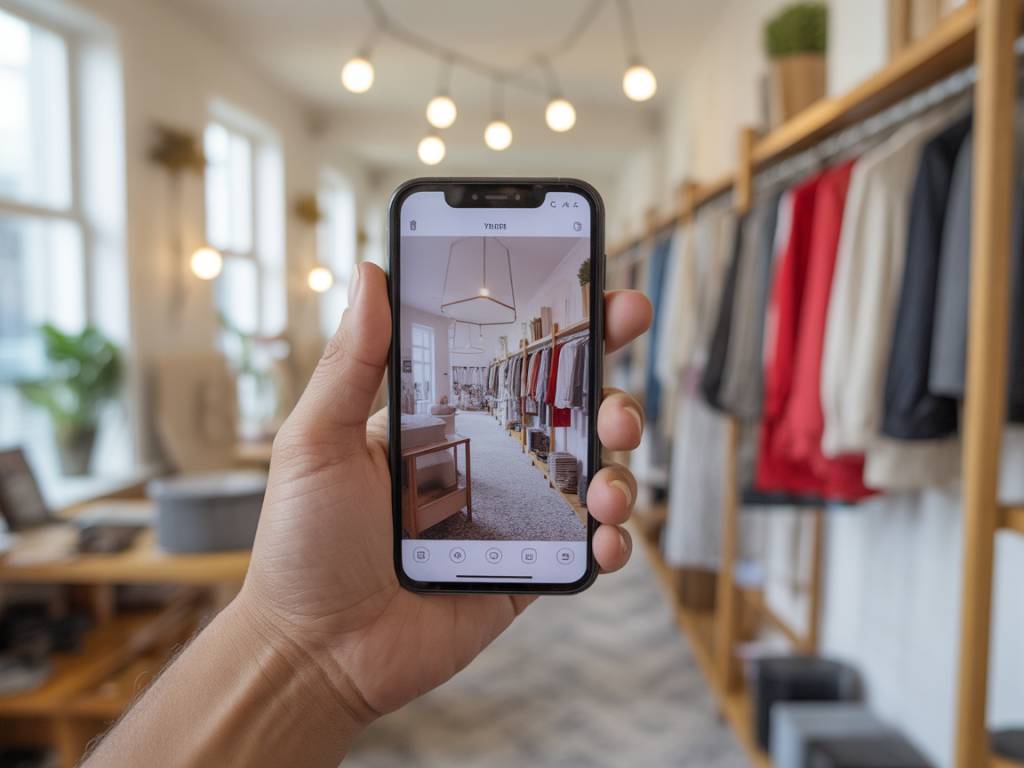
Augmented reality shopping overlays digital images of products onto the real world using a smartphone, tablet or AR‑enabled mirror. In practical terms, that usually means:
- Scanning a room with a phone camera to place 3D models of furniture or décor
- Using the selfie camera to try on glasses, hats, jewellery, make-up or clothing virtually
- Pointing a camera at a product in-store to unlock extra information, styling tips or animations
- Exploring catalogue pages or adverts that “come to life” when viewed through an AR app
The technology relies on computer vision, depth sensing and 3D product models, but from the user’s perspective it is designed to feel intuitive. British shoppers are increasingly encountering AR not as a separate experience, but integrated into familiar platforms: retailer apps, Instagram and Snapchat filters, or even the official apps of large shopping centres.
Transforming the Way Britons Furnish Their Homes
Home and furniture shopping has proven to be one of the strongest use cases for augmented reality in the UK. Buying a sofa, bookshelf or dining table has always involved a mix of imagination and guesswork. AR reduces that uncertainty by allowing customers to place life‑size, true‑to‑scale 3D models directly into their living rooms, kitchens or bedrooms.
Major UK furniture and homeware retailers now offer AR visualisation as part of the online buying journey. Shoppers can see whether a corner sofa will overwhelm a compact London flat, check if a wardrobe will fit under a sloping roof in a Victorian terrace, or compare rug sizes on original wooden floorboards without making a single purchase.
Several clear benefits are driving adoption among British consumers:
- Better sense of scale: AR shopping reduces the classic problem of misjudging dimensions based on photos alone, especially important in small UK homes and rented flats.
- Colour and style confidence: Homeowners can test whether a particular paint colour, lamp or sideboard works with existing décor and natural light.
- Fewer returns and delivery headaches: By catching mismatches before checkout, AR can help customers avoid the frustration and cost of returning bulky items.
- Collaborative decision‑making: Housemates and couples can experiment together, sharing AR screenshots via messaging apps before committing.
DIY and home improvement chains have also begun to experiment with AR tools that help Britons measure spaces, visualise tiles or flooring, and preview kitchen layouts. The overall effect is a shift in power: shoppers are less dependent on visiting large showrooms on retail parks and more able to plan from their own living rooms.
Virtual Try-On Reshapes Fashion and Beauty in the UK
If AR has helped Britons reimagine their homes, it is doing something similar for their wardrobes and make-up bags. Virtual try-on technology, powered by face tracking and body segmentation, allows shoppers to see how items might look on them without entering a fitting room.
In fashion, UK brands and global retailers serving British customers are testing features such as:
- Virtual trainers and shoes: Pointing the camera at one’s feet to see how different styles, colours or sizes appear.
- AR mirrors in stores: Smart mirrors that layer digital clothing options on top of the shopper’s reflection, sometimes offering size suggestions or style recommendations.
- Digital styling: Trying on entire outfits virtually, mixing pieces from different collections to see what works together.
The beauty sector has moved even faster. High‑street chemists, premium cosmetics brands and online‑only retailers widely offer AR make-up try-on tools. British consumers can:
- Experiment with lipstick, foundation and eyeshadow shades on their own faces via their smartphones.
- Compare before‑and‑after looks in real time without removing any actual make-up.
- Scan in-store displays to unlock AR filters that replicate the advertised looks.
For many shoppers, this is more than entertainment. It addresses practical concerns about hygiene and time, especially in crowded city-centre stores. It also supports inclusive shopping: darker or very fair skin tones that may not be well-represented in tester displays can be better served through digital shade matching.
Changing Consumer Behaviour Among British Shoppers
The spread of AR shopping in the UK is subtly altering behaviour at each stage of the customer journey, from discovery to post‑purchase engagement. British consumers increasingly expect retailers to bridge the gap between online browsing and in‑store experience, and AR is one of the clearest ways to do that.
Several behavioural trends are emerging:
- Longer but more informed consideration phases: Shoppers take more time exploring products in AR, but when they do decide, they tend to be more confident.
- Greater willingness to buy big‑ticket items online: Visualising a sofa, bed or designer coat at home makes high‑value online purchases feel less risky.
- Blurring of channels: Many Britons now discover products on social media via AR filters, then complete purchases in-store or through retailer apps.
- Social sharing as part of decision‑making: Posting AR try-ons in private WhatsApp groups or on public platforms has become another way of seeking reassurance.
Generational differences are evident. Digital‑native Gen Z and younger millennials in the UK are often the earliest adopters, treating AR shopping as a natural extension of social media. Older shoppers tend to approach it more cautiously but are drawn in when the utility is clear: avoiding a costly homeware mistake, for instance, or testing reading glasses frames from home.
How UK Retailers Are Using AR to Compete and Innovate
For UK retailers facing intense pressure from online giants and tight margins, augmented reality offers both differentiation and data. AR shopping tools are not just marketing gimmicks; they generate insights into what customers consider, combine and reject before purchase.
Several strategic uses are emerging across the British retail sector:
- Enhanced product discovery: Allowing shoppers to “tap to try” from images in digital catalogues, magazines or adverts.
- Reducing return rates: Especially for fashion and furniture, AR can help align expectations with reality, cutting back on costly reverse logistics.
- In‑store engagement: Using AR treasure hunts, interactive displays or educational overlays to draw footfall and keep visitors in store longer.
- Personalised recommendations: Analysing AR interactions to suggest complementary products or alternative sizes and styles.
Larger UK chains have the resources to build sophisticated AR experiences into their apps or partner with established AR platforms. Smaller independent retailers, meanwhile, are experimenting with more accessible tools, such as social media filters that showcase products in creative ways or web‑based AR that does not require dedicated apps.
Barriers, Risks and Consumer Concerns
Despite its rapid growth, augmented reality shopping in Britain is far from universal. Several barriers limit its reach and raise important questions about privacy, accessibility and trust.
- Device and bandwidth limitations: AR experiences can be demanding on older smartphones and require stable data connections, which not all shoppers have.
- Accuracy and representation: Virtual try-on may not fully account for fabric movement, body shape or complex lighting, especially for darker interiors or diverse skin tones.
- Data privacy: AR shopping apps that rely on facial mapping or scans of private homes inevitably raise concerns about how this sensitive data is stored, used and shared.
- Digital exclusion: Some consumers, particularly older or lower‑income groups, may feel excluded from offers or features that assume regular smartphone upgrades.
UK regulators have begun to pay closer attention to biometric data and targeted advertising, and retailers operating AR platforms must ensure compliance with data protection laws. For British shoppers already cautious about surveillance and tracking, clear communication about data usage, retention and opt‑out mechanisms is crucial to building trust.
The Future of AR Shopping for Home and Fashion in the UK
As broadband and 5G coverage improve, and as more mid‑range smartphones gain advanced AR capabilities, the technology is likely to become a standard layer of the shopping experience in Britain. Several developments are on the horizon:
- Richer product models: More realistic materials, lighting and movement, making AR furniture and fashion previews closer to physical reality.
- Integrated sizing and fit tools: Combating the persistent problem of clothing fit by combining body measurement apps with AR visualisation.
- Cross‑retailer experiences: Platforms that allow Britons to mix products from multiple brands into a single AR scene, whether a living room or an outfit.
- Wearable AR: In the longer term, smart glasses or lightweight headsets could extend AR shopping beyond the smartphone screen, blending offers, reviews and previews directly into the shopper’s field of vision.
What seems clear is that for British consumers used to researching every purchase online, augmented reality will become less of a special feature and more of an expectation. The retailers that invest thoughtfully—balancing innovation with privacy, accessibility and genuine usefulness—are likely to shape how the next generation of Britons shops for their homes and fashion.