
Bluewater is best known as one of Kent’s biggest retail destinations, but if you look a little wider, it is also a very useful gateway to local food shopping. From nearby farm shops to Kent producers supplying supermarkets, cafés, markets and delis, the area around Bluewater offers a surprisingly strong mix of convenience and quality. For shoppers who care about where food comes from, that combination matters. Why choose between easy and ethical when you can often have both?
This guide takes a practical look at Bluewater foods in Kent: where to buy, how local suppliers fit into the picture, and what consumers should know before they fill the trolley. Whether you are planning a weekly shop, looking for giftable local produce, or trying to support Kent businesses more deliberately, there is a lot worth knowing.
Why Bluewater is relevant for food shoppers in Kent
Bluewater is not a food-producing hub in itself, but it sits in a prime location for Kent shopping. That matters because Kent is one of the UK’s strongest counties for food and drink production. The “Garden of England” nickname is not just marketing fluff; it reflects a genuine supply base of orchards, dairies, fisheries, bakeries, breweries, growers and artisan makers.
For shoppers, that means Bluewater acts like a meeting point. You can buy everyday groceries, pick up premium products, and often find Kent-made items sitting alongside national brands. For many households, that blend is ideal. You get choice, speed and, when you know what to look for, access to local supply chains too.
It also makes Bluewater useful for comparing products. Want to see how a Kent-made chutney compares with a mass-market version? Or whether local eggs, cheeses or baked goods offer better value? Shopping in and around Bluewater gives you a straightforward way to compare quality, price and provenance without spending the whole day driving from one village shop to another.
What “local” really means when shopping for food
The word “local” gets used a lot, sometimes with more enthusiasm than clarity. In practical terms, local food around Bluewater can mean several things:
- Food grown, reared, caught, baked or made in Kent
- Products supplied by independent businesses based in nearby towns such as Gravesend, Dartford, Rochester, Rochester, Maidstone or further into the county
- Items made in the South East and sold through Kent retailers
- Seasonal produce from farms within a short delivery radius
Not every item labelled “local” is equally local, so it helps to ask a few simple questions. Where was it made? Who supplied it? Is the business based in Kent, or just distributed through Kent? If a shop staff member has to think for a second before answering, that is usually a sign you should keep asking. Polite shoppers get better answers than rushed shoppers with a basket full of mystery tomatoes.
Local does not always mean cheaper, but it can mean fresher, better traceability and stronger support for regional businesses. It can also reduce transport miles, though the environmental impact depends on the whole supply chain, not just the postcode on the label.
Common types of Bluewater food suppliers in Kent
Around Bluewater, food shopping is usually shaped by a mix of supplier types. Each has its own strengths, and smart shoppers often use more than one.
Supermarkets and major retailers
These remain the easiest option for a full weekly shop. Around a major retail destination like Bluewater, supermarkets are useful for basics, household items and competitive pricing. Many now stock Kent products too, especially fruit, vegetables, baked goods, dairy and chilled items.
If you want local sourcing from a supermarket, look beyond the front-of-store displays. The strongest clues are often in the seasonal produce section, bakery aisle and chilled cabinets. Labels like “grown in Kent” or “produced in Kent” can appear on potatoes, apples, salads, milk, yoghurt and preserves.
Farm shops and rural retailers
Kent’s farm shops are where local food often becomes more personal. These businesses tend to work closely with nearby growers and makers, and they are often the best place to discover small-batch products. You may find free-range eggs, artisan bread, local honey, chutneys, jams, meats, cheeses and fruit picked at peak season.
Farm shops are especially useful if you want to buy food with a clearer story behind it. Instead of just seeing a brand name, you may learn the farm, field or family behind the product. That transparency is valuable for many consumers and, frankly, makes shopping more interesting.
Independent delis and specialty stores
Independent food shops around Kent often bridge the gap between premium and practical. They may not sell everything, but they usually sell the right things very well. Think Kent cheeses, roasted coffee, local bakes, oils, preserves, fresh pasta, charcuterie and gourmet ingredients.
These stores are often the best choice for gifts, picnic supplies and “I want something nice without needing a second mortgage” purchases. They also tend to have staff who know their products properly, which is refreshing when you are choosing between five different marmalades and do not want to guess.
Farmers’ markets and pop-up traders
Farmers’ markets remain one of the most direct ways to buy from local suppliers in Kent. While they may not be right next to Bluewater every day, they are an important part of the food ecosystem that serves shoppers in the area. Markets often feature seasonal produce, handmade bakes, meat, fish, flowers and specialty items.
For consumers, markets offer three big advantages: freshness, traceability and conversation. You can ask how something was made, when it was harvested or what is in season next week. That kind of information is hard to beat if you are trying to shop more intelligently.
Kent foods worth looking for near Bluewater
Kent has a strong food identity, and several products are especially worth keeping an eye out for when shopping around Bluewater.
- Apples, pears and stone fruit from Kent orchards
- Soft fruit such as strawberries and raspberries in season
- Asparagus, salads and other fresh vegetables from local growers
- Local dairy products, including milk, cream, yoghurt and cheese
- Honey from Kent apiaries
- Chutneys, jams, curds and preserves made in small batches
- Bread and pastries from regional bakeries
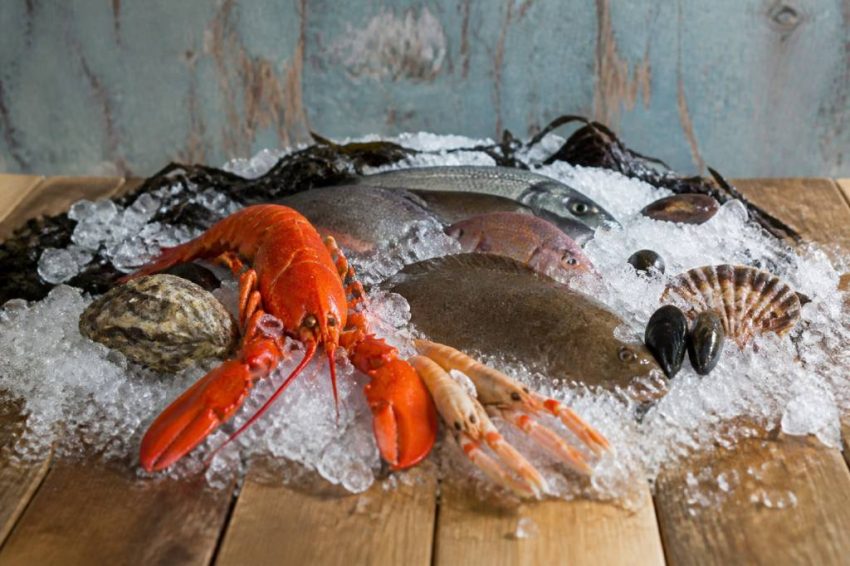
- Fish and seafood from South East suppliers where available
- Craft drinks, including juices, ciders and non-alcoholic local specialties
Seasonality is key here. A Kent strawberry in June and a Kent strawberry in December are not the same shopping experience. The first tastes like summer. The second tastes like expensive disappointment. Local food is often at its best when you buy it in season.
How to identify genuine local food
Consumers do not need to become food detectives, but a few habits make a big difference. Start with labels and finish with questions.
- Check the origin label carefully
- Look for county-specific branding, not just “UK”
- Ask whether the product is made in Kent or merely packaged there
- Watch for seasonal signage that highlights nearby farms
- Read the small print on preserves, sauces and ready meals
- Use QR codes or producer websites if available
It is worth remembering that some products are partly local. For example, a Kent bakery may use flour from elsewhere but make and sell the final loaf in the county. That is still meaningful local business support, even if every ingredient is not grown within 20 miles.
If you care most about food miles, packaging, animal welfare or small business support, your priorities may differ. There is no single “best” local food choice. The right choice is the one that matches your values and your budget.
What consumers should look for in quality and value
Local food is sometimes assumed to be expensive, but that is not always true. It depends on what you are buying and where. A supermarket own-brand item may be cheaper on the shelf, while a local product may last longer, taste better or reduce waste because you use it more thoughtfully.
Here are a few simple checks that help you judge value properly:
- Compare price per unit, not just shelf price
- Check shelf life if you are buying fresh products
- Look at ingredient lists for hidden sugars, fillers or additives
- Consider whether premium local items can replace several cheaper products
- Think about how much waste the product creates at home
A good example is bread. A highly processed loaf may be cheaper, but a locally baked loaf may stay fresher longer and taste better toasted, which means less ends up in the bin. The same logic can apply to eggs, dairy, meat and preserves.
How local suppliers benefit Kent shoppers
Buying from local suppliers does more than support a business name. It helps maintain a broader food network in Kent, which can make the area more resilient. When local growers, bakers and makers thrive, consumers get more choice, better quality and more interesting products over time.
There is also a social benefit. Local food creates local relationships. A producer who knows their customers will often respond faster to demand, adjust products seasonally and explain sourcing more clearly. That makes shopping feel less anonymous and more connected.
For families, this can be especially useful. Children are more likely to eat fruit or vegetables when they have seen them at a market or heard where they came from. Food becomes less abstract and more real. A carrot is no longer just a carrot; it is the thing that came from a field in Kent, was washed, packed and sold near where you live. Small detail, big difference.
Practical shopping tips for Bluewater visitors
If you are planning a shopping trip around Bluewater and want to include local food, a little strategy helps.
- Go with a list, but leave room for seasonal extras
- Visit local food counters before the main grocery shop so you do not miss fresh items
- Ask staff where Kent products are displayed
- Bring reusable bags, especially if you are buying loose produce or bakery items
- Check opening times for independent food shops, which may differ from larger retailers
- Buy what you will actually use, especially with fresh local goods
If you are shopping for a weekend meal, think in courses. A local starter, a Kent main ingredient and a regional dessert can turn an ordinary dinner into a mini tour of the county. It sounds fancy, but really it is just smart shopping with better flavour.
Bluewater foods and the future of shopping in Kent
The future of food retail in Kent is likely to be more transparent, more flexible and more local-friendly. Consumers want convenience, but they also want to know where food comes from and whether their spending supports local businesses. Retailers are responding by stocking more regional products, highlighting provenance and working with smaller suppliers.
That trend is good news for Bluewater shoppers. It means there is growing space for local producers alongside national chains, and more chances to make everyday shopping feel purposeful. You do not have to turn every grocery trip into a moral mission. But you can make better choices with a few extra minutes and a sharper eye.
For Khady and the Kent Commerce audience, that is the real value of local food shopping: it is practical, accessible and quietly powerful. A basket of groceries may look ordinary, but the choices behind it can support farms, jobs, skills and the wider Kent economy.
So next time you shop around Bluewater, take a moment to look for the Kent story on the shelf. It might be in the apples, the cheese, the chutney or the bread. And once you notice it, you start seeing the county differently: not just as a place to shop, but as a place that feeds its own community in more ways than one.